Youth sports in Greensboro are more than just games and practices. They are fast-paced, physically demanding environments where kids push their limits, learn teamwork, and build confidence. But with that energy and movement comes risk. Injuries, medical emergencies, and unexpected health events can happen at any time, often when professional medical help is not immediately available.
In those moments, coaches and volunteers are not just leaders. They become the first responders. That is why being prepared with first aid knowledge and in-person CPR Certification is not just helpful. It is essential for protecting the young athletes in your care.
Why CPR and First Aid Matter in Youth Sports
When a child collapses on the field or suffers an injury during practice, there is no time to hesitate. The responsibility to act falls on the adults present, and in most cases, that means coaches, assistants, and volunteers.
Research shows that in youth sports settings, it is rarely medical professionals who respond first. Instead, it is coaches or bystanders who must take immediate action.
This reality highlights a critical truth. Preparation is not optional. It is part of the role.
Even though serious medical emergencies may seem rare, they do happen. Sudden cardiac arrest, while uncommon in young athletes, is still the leading cause of death in this group.
And when it happens, survival depends on immediate action.
The Critical Role of Bystander CPR in Sports
CPR is one of the most important tools available during a medical emergency. When performed immediately, it can double or even triple a person’s chance of survival.
In a sports setting, where physical exertion can trigger unexpected events, this becomes even more important.
Studies have shown that:
- Cardiac arrest can occur during physical activity, even in young and seemingly healthy athletes
- Bystander CPR significantly improves survival outcomes
- Quick response is the single most important factor in saving a life
For youth coaches in Greensboro, this means being ready to act in the first few minutes before emergency responders arrive.
Why Many Coaches Are Not Fully Prepared
Despite the importance of CPR training, many coaches and volunteers are not fully equipped to handle emergencies.
Recent data shows that only about 41 percent of youth sports coaches reported being CPR trained within the past year.
Even more concerning, a significant number of coaches report lacking confidence in their ability to respond to injuries or emergencies.
This gap between responsibility and preparedness creates a serious risk.
The good news is that this gap can be closed with proper training.
Common Emergencies in Youth Sports
Youth sports environments present a wide range of potential emergencies, from minor injuries to life-threatening situations.
Coaches and volunteers should be prepared to handle:
- Sudden collapse or cardiac arrest
- Heat-related illnesses during outdoor practices
- Head injuries and concussions
- Severe allergic reactions
- Breathing difficulties or asthma attacks
- Sprains, fractures, and bleeding injuries
Training programs designed specifically for youth sports emphasize that these scenarios are not hypothetical. They are real situations that require immediate response.
Being prepared for these situations can make the difference between a quick recovery and a serious outcome.
Why In-Person Training Makes the Biggest Difference
There are many ways to learn CPR and first aid, but not all training methods are equal. In-person training stands out because it focuses on real-world application, not just theory.
In a hands-on class, you will:
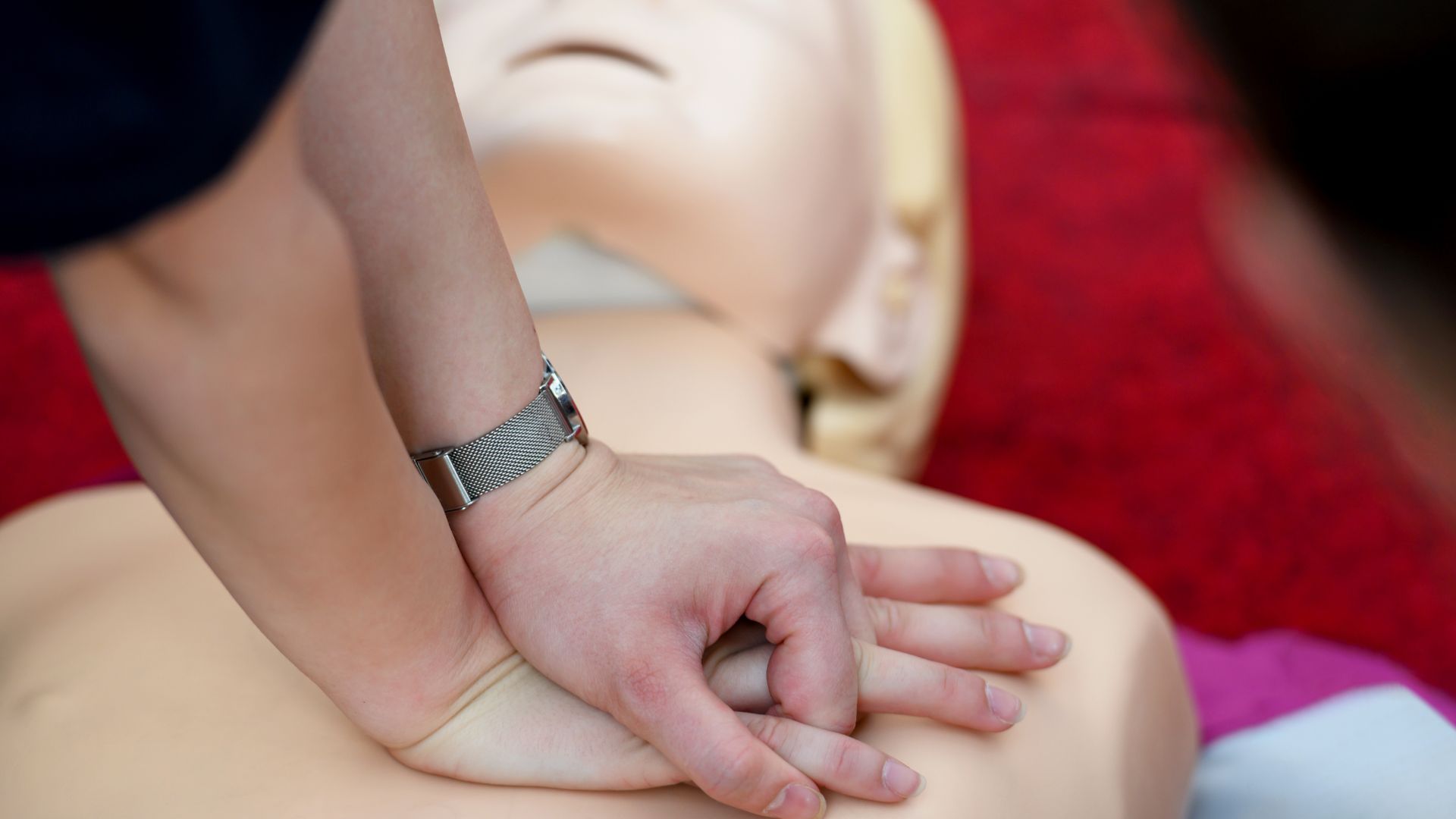
- Practice CPR techniques on mannequins
- Learn how to respond under pressure
- Receive real-time feedback from instructors
This type of training builds muscle memory, which is critical in emergencies. When a child collapses on the field, you will not have time to think through steps. You will rely on what you have practiced.
Choosing an in-person CPR Certification course ensures you are fully prepared, not just informed.
The Importance of Acting Without Hesitation
One of the biggest challenges in emergency situations is hesitation. Even well-meaning coaches may freeze if they are unsure of what to do.
This hesitation often comes from:
- Fear of doing something wrong
- Lack of hands-on experience
- Uncertainty about proper technique
Unfortunately, even a short delay can have serious consequences.
Training eliminates that hesitation by giving you the confidence to act immediately.
CPR and AED Use in Youth Sports
In many youth sports settings, Automated External Defibrillators (AEDs) are available or becoming more common. These devices are designed to restore a normal heart rhythm during cardiac arrest.
However, having an AED is not enough. Coaches must know how to use it.
CPR and AED training work together to:
- Maintain blood flow through chest compressions
- Restore heart rhythm with defibrillation
- Improve survival outcomes significantly
Research shows that survival rates increase dramatically when CPR and AED use are combined.
This is why training in both skills is essential for anyone involved in youth sports.
Heat-Related Emergencies in Greensboro
Greensboro’s climate, especially during summer months, creates additional risks for young athletes.
Heat exhaustion and heatstroke are common concerns during practices and games. These conditions can escalate quickly and become life-threatening if not treated immediately.
Signs to watch for include:
- Dizziness or confusion
- Excessive sweating or lack of sweating
- Rapid heartbeat
- Nausea or weakness
First aid training teaches coaches how to recognize these symptoms early and take immediate action.
Head Injuries and Concussions
Concussions are one of the most common injuries in youth sports. While not always life-threatening, they require immediate attention and proper handling.
Coaches must be able to:
- Recognize signs of a concussion
- Remove the athlete from play immediately
- Monitor symptoms and seek medical attention
Failing to act quickly can lead to more serious complications.
Why Coaches Are the First Line of Defense
In organized sports, medical professionals are not always present at practices or games. This means coaches and volunteers are often the first to respond.
In most cases:
- Coaches are closest to the athlete
- They witness the incident firsthand
- They must act before help arrives
This responsibility makes training not just important, but necessary.
Building Confidence Through Hands-On Practice
Confidence is what turns knowledge into action. Without it, even trained individuals may hesitate.
In-person training builds confidence by:
- Providing realistic practice scenarios
- Reinforcing correct techniques
- Allowing repetition until skills feel natural
When you have physically performed CPR before, you are far more likely to do it again in a real emergency.
The Bigger Impact on Greensboro Communities
When more coaches and volunteers are trained in CPR and first aid, the benefits extend beyond individual teams.
Communities become:
- Safer for young athletes
- Better prepared for emergencies
- More confident in handling unexpected situations
Training creates a culture of preparedness that protects everyone involved.
Who Should Be CPR Certified in Youth Sports
While head coaches are an obvious priority, CPR training should extend to everyone involved in youth sports programs.
This includes:
- Assistant coaches
- Team volunteers
- League organizers
The more trained individuals present, the greater the chances of a quick and effective response.
Why Training Should Be Taken Seriously
Some may view CPR certification as just another requirement, but it is far more than that.
It is:
- A life-saving skill
- A responsibility to the athletes you coach
- A way to protect your team and community
When a child’s life is at risk, preparation is everything.
Choosing the Right CPR Training in Greensboro
Not all training programs provide the same level of preparation. It is important to choose a provider that emphasizes hands-on learning and real-world application.
Look for programs that offer:
- Fully in-person instruction
- Certified and experienced instructors
- Scenario-based training
- Same-day certification options
Enrolling in a trusted CPR Certification course ensures you are ready for real emergencies, not just completing a requirement.
The Long-Term Value of CPR and First Aid Training
CPR and first aid training are not just useful on the field. They are skills that can be applied in everyday life.
Whether you are:
- At home
- In public
- Traveling
The ability to respond to an emergency is always valuable.
This makes training an investment that goes far beyond sports.
Final Thoughts on CPR and First Aid for Greensboro Coaches
Youth sports are about growth, teamwork, and development, but they also come with responsibility. Coaches and volunteers play a critical role in keeping athletes safe.
Emergencies can happen without warning, and when they do, the actions taken in the first few minutes matter most.
By enrolling in an in-person CPR Certification course, you gain the hands-on experience and confidence needed to act quickly and effectively. For coaches and volunteers in Greensboro, this training is not just recommended. It is essential.
Frequently Asked Questions About CPR for Youth Coaches
Do youth coaches need CPR certification?
Yes, many leagues require it, and it is essential for handling emergencies during practices and games.
How effective is CPR in emergencies?
CPR can double or triple survival chances when performed immediately.
What emergencies should coaches be prepared for?
Coaches should be ready for cardiac events, injuries, heat illness, and breathing emergencies.
Is in-person training better than online?
Yes, hands-on training builds confidence and ensures proper technique.
How long does CPR certification last?
CPR certification typically lasts two years before renewal is required.
Who else should be trained besides coaches?
Assistant coaches, volunteers, and league staff should also be CPR certified.